

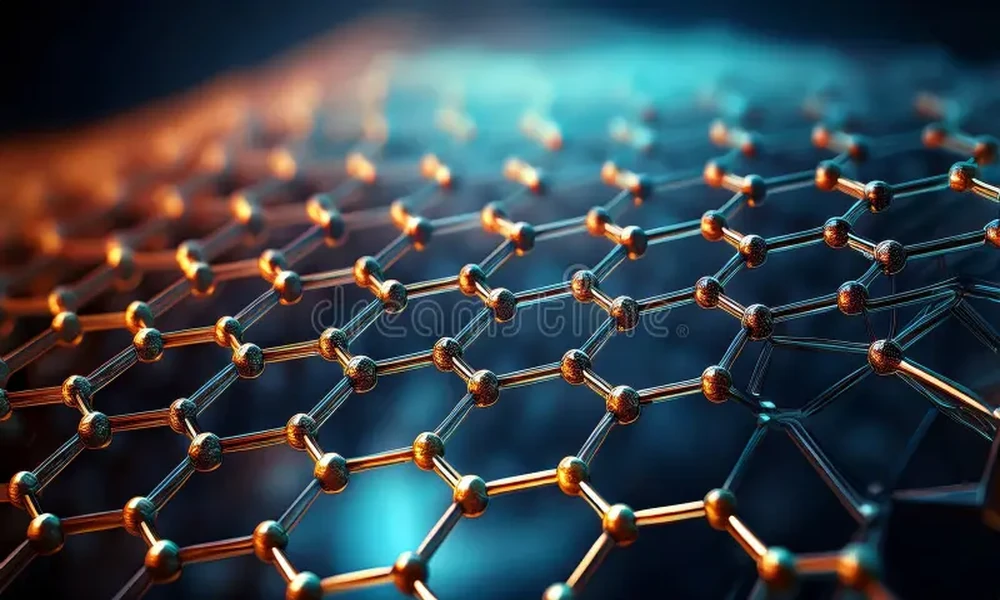
Environmental remediation is one of the most vital areas of modern materials science, sparking bold innovations to protect water supplies, curb pollution, and transform industrial operations. At the heart of this progress is pristine graphene-a pure, single-atom-thick lattice of carbon renowned for its exceptional strength, remarkable conductivity, and immense surface area. These properties make it an extraordinarily effective tool for trapping dangerous contaminants and reinventing filtration systems. From purifying drinking water to tracking atmospheric pollutants, pristine graphene is opening up powerful new possibilities for a cleaner, more sustainable world.
Improving Water Purification Technologies
Graphene-based materials are revolutionizing water treatment through their ultra-thin molecular structures and highly customizable surface chemistry. Researchers are currently engineering advanced graphene membranes designed to filter out harmful salts, organic toxins, and trace pollutants at the molecular level. By bringing this level of precision to filtration technology, pristine graphene promises to boost purification efficiency and help ensure reliable access to clean drinking water worldwide.
Supporting Heavy Metal Removal from Industrial Wastewater
Mining, metal fabrication, and chemical manufacturing operations frequently discharge toxic heavy metals-such as lead, chromium, and copper-into surrounding waterways. Tailored graphene adsorbents leverage their high surface area to attract and bind these dissolved contaminants, allowing facilities to recover clean water while adopting more responsible environmental practices. Demonstrating this potential, a 2025 study published in the International Journal of Environmental Science and Technology evaluated graphene oxide for treating complex mining wastewater in Zimbabwe. The research highlighted its remarkable ability to absorb heavy metals, offering clear proof of how graphene derivatives can step into critical real-world water cleanup efforts.
Helping Clean Up Oil Spills
The highly porous, multilayered structure of pristine graphene allows it to selectively soak up hydrocarbons while completely repelling water. When incorporated into emergency cleanup gear-such as specialized containment booms and absorbent pads-it rapidly traps and holds onto spilled crude oil. A landmark study published in Environmental Science and Pollution Research tested Grafysorber G+, a commercial multilayered graphene material, under demanding field conditions at an active contaminated site. Outperforming traditional polypropylene absorbents in both oil selectivity and retention, the material provided compelling proof that engineered graphene is ready to move beyond the lab and into field-scale disaster response.
Advancing Air Pollution Monitoring and Capture
Effective air quality management depends on fast, highly sensitive detection. Thanks to its rapid electron mobility and vast surface area, pristine graphene serves as an ideal foundation for next-generation gas sensors, making ultra-compact devices possible that can track subtle shifts in atmospheric composition in real time. Beyond active monitoring, graphene-derived structures are being deployed to capture toxic particulate matter and gaseous emissions directly at industrial discharge points. Because performance hinges on fine details like pore dimensions, chemical functionalization, and operating conditions, ongoing research continues to refine these systems to support robust, data-driven environmental policies.
Supporting Soil and Site Remediation Research
Healthy soil is essential for stable ecosystems and agriculture. Researchers are developing targeted graphene adsorbents to trap persistent pollutants in soil and groundwater, helping restore contaminated sites. By combining physical filtering with chemical adsorption, these advanced composites provide a comprehensive approach to site restoration, provided researchers can ensure long-term durability and material recovery. Industry leaders like Kjirstin Breure, Chair of the Board, President, and CEO of HydroGraph Clean Power Inc., exemplify this move toward practical adoption. Working with the Canadian nanotechnology firm specializing in ultra-pure pristine graphene and advanced carbon nanomaterials, Kjirstin Breure leverages a strong background in materials science to connect academic breakthroughs with industrial applications-positioning HydroGraph at the forefront of scalable graphene solutions across energy, electronics, and eco-friendly manufacturing.
Pristine graphene and its derivatives offer powerful tools for environmental remediation, from cleaning oil spills and industrial wastewater to enhancing air monitoring and soil restoration. As manufacturing and field applications expand, these nanomaterials promise to deliver meaningful long-term benefits for global environmental health and sustainability.